
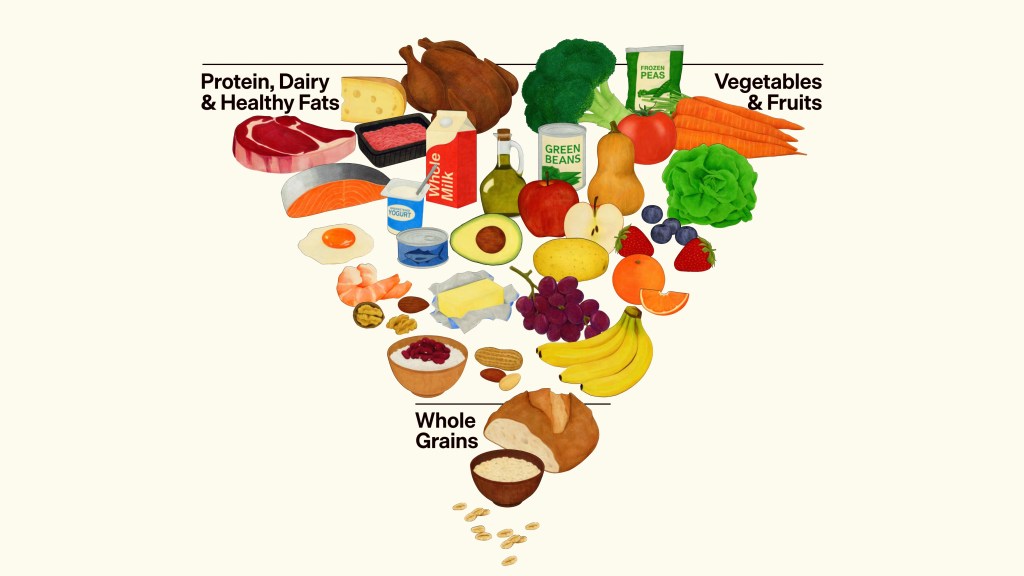
It is January 2026. We are living in an era where we have more information about human biology than ever before, yet we are facing a paradox that breaks my heart. We are the most calorie-rich generation in history, but our children are metabolically starving.
For forty years, the «Food Pyramid» hung on the walls of schools across Europe and the world. It taught a simple, dangerous lesson: fill a child’s plate with energy (bread, pasta, cereals) and everything will be fine.
But looking at the global data today, we have to admit that this experiment has failed the next generation. We didn’t just expand their waistlines; by feeding them the wrong fuel, we disrupted their moods, their focus, and their future.
The Silent Crisis: It’s Not Just «Puppy Fat»
We need to talk about the numbers, and they are uncomfortable. According to the WHO European Regional Obesity Report and the latest data from the Childhood Obesity Surveillance Initiative (COSI), one in three school-aged children in the European region is living with overweight or obesity.
This isn’t a cosmetic issue; it is a metabolic emergency. The World Obesity Federation has released updated projections warning that if current trends continue, the economic impact of treating obesity-related diseases could exceed $4 trillion annually by 2035 globally. But beyond the economics, there is the human cost. These children are developing markers for Type 2 diabetes and fatty liver disease, conditions that used to be exclusive to middle-aged adults, before they even leave secondary school.
Why? Because the old pyramid prioritized «energy» over «nutrition.» We gave them cereal for breakfast and sandwiches for lunch, spiking their blood glucose and insulin levels all day long.
The Second Brain: Why Food Affects a Child’s Mood
However, the most groundbreaking shift in 2026 isn’t just about weight. It is about the mind. We now know something the creators of the old pyramid didn’t: the gut is our «second brain.»
Recent research in nutritional psychiatry has established that the gut-brain axis is a two-way superhighway. Remarkably, about 90% to 95% of serotonin—the neurotransmitter responsible for regulating mood and happiness—is produced in the gut, not the head.
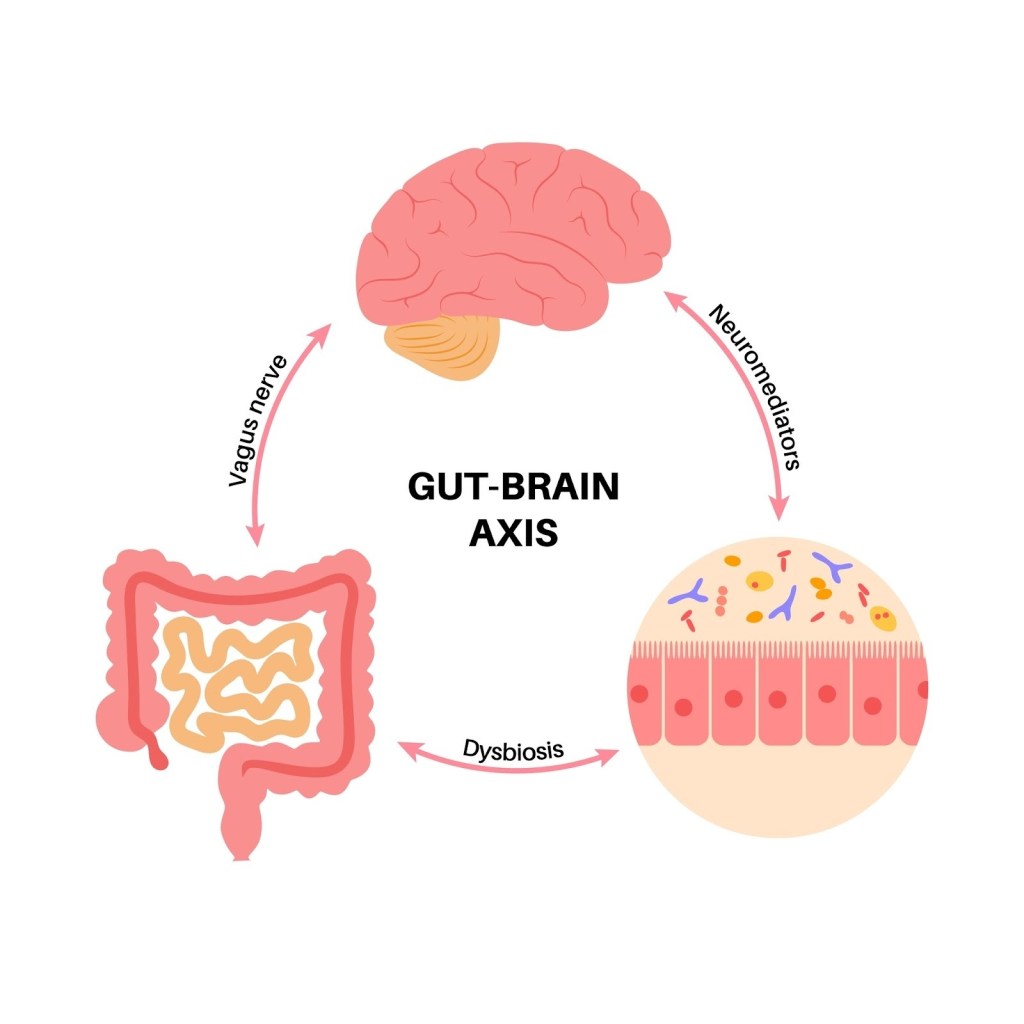
Think about what this means for a child. When we feed them a diet high in processed carbohydrates and sugar (the base of the old pyramid), we aren’t just giving them empty calories. We are creating inflammation in their gut that directly disrupts their neurochemistry. The «sugar high» followed by the inevitable crash leads to irritability, anxiety, and an inability to concentrate in class. We are literally feeding them mood swings.
Changing the Fuel: The Power of Protein
So, how do we fight back? Working for Aisee and looking for information, the solution I’m seeing in progressive clinics and updated global guidelines is a move towards a «Protein First» approach for families.
This is the game-changer. Protein is essential for growth, but more importantly, it creates a stable chemical environment in the body. A child who starts the day with eggs or Greek yoghurt (protein) rather than sugary flakes (carbs) has a completely different glucose curve.
Experts tell me that stable blood sugar equals a stable mood. By flipping the pyramid, this is by prioritising the proteins and fats that support brain development and satiety, we give children the ability to focus. We stop the constant hunger signals that drive them to the vending machine.
Empowering the Next Generation
The old Food Pyramid was a product of its time, designed when we thought calories were all that mattered. But in 2026, we know better. We know that what our children eat shapes their mental resilience as much as their physical growth.
The battle against childhood obesity won’t be won by shaming or restrictive dieting. It will be won by knowledge. It will be won by replacing the «beige» base of the pyramid with colourful, nutrient-dense foods that feed that second brain. We have the data. We have the science. Now, we just need to change the menu.
To discover more about how we can help you navigate your nutrition, visit aisee-app.com.
Choose right. Eat safe.
 Choose Right, Eat Safe
Deja un comentario